Water Damage Restoration Near Denver
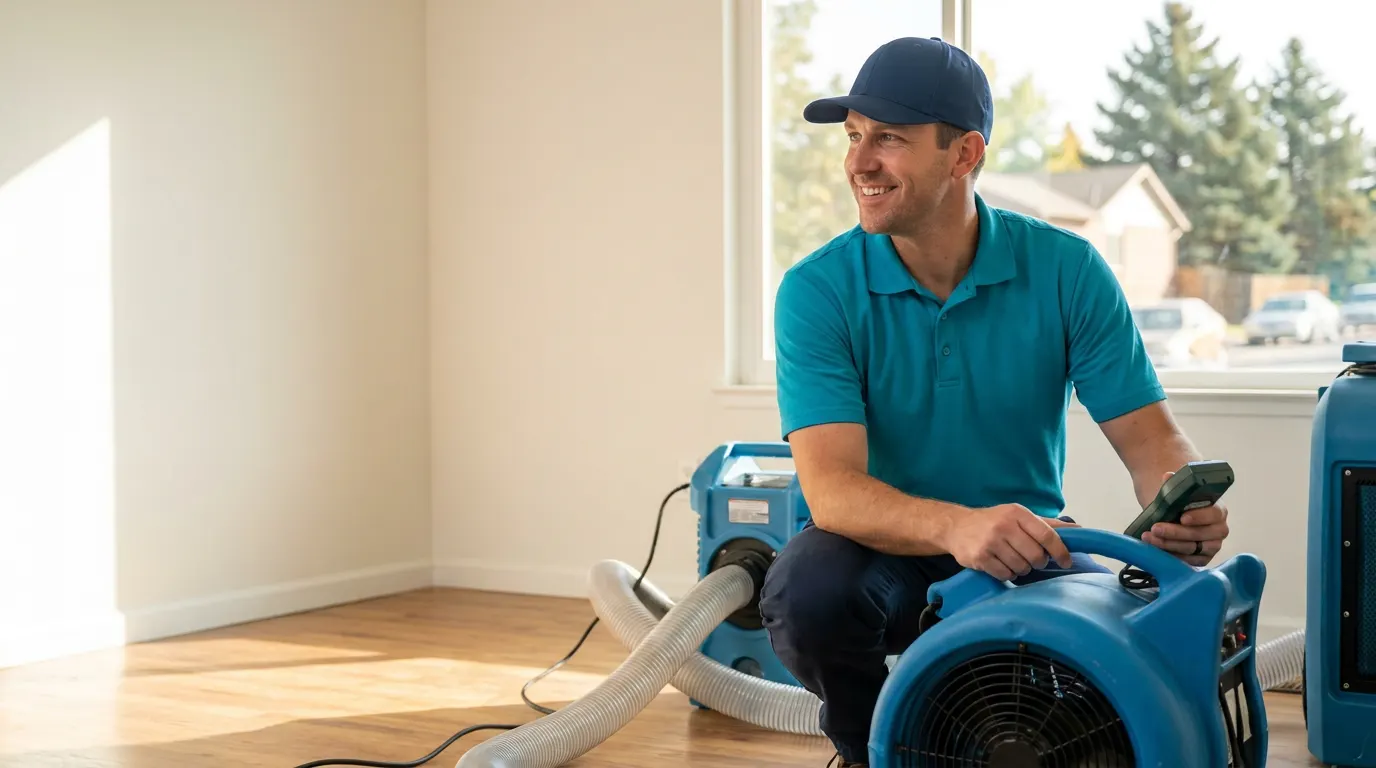
Understanding Water Damage Restoration Near Denver
If you're dealing with flood damage in your home or business, immediate action is crucial. In Denver, water damage restoration near Denver is a service that can help restore your property to its original condition. Whether it’s due to a burst pipe, heavy rain, or leaky roofs, understanding the restoration process can make a significant difference in minimizing damage and preventing future issues.
The Importance of Timely Response
When referring to water damage, time is of the essence. The longer you wait to address the water damage, the more extensive the damage can become. In Denver's fluctuating climate, quick action is even more important as water can lead to mold growth and structural integrity issues. A skilled restoration team can evaluate the damage, remove excess water, and ensure that your property is completely dried out.
Choosing the Right Water Damage Restoration Service
When searching for water damage restoration near Denver, it’s important to choose a company that is accredited and experienced. Look for a team that can provide a comprehensive assessment of the damages and outline a clear restoration plan. Make sure they offer 24/7 services, as water damage doesn’t adhere https://waterdamagerestorationdenverco.net/ to a schedule. Local expertise can also make a significant difference; a company familiar with the Denver area will understand the unique challenges posed by the local climate and how to effectively address them.
Water Damage Restoration Denver
Denver, CO
Phone: (720) 710-5602
Water Damage Restoration Denver is your go-to solution for swift and reliable water damage restoration in the heart of Colorado. With a team of certified experts, they tackle everything from leaks to flood damage, ensuring your property is restored to its former glory. Don’t let water woes disrupt your life—call them today for a free consultation!
FAQ About Water Damage Restoration
What is the process of water damage restoration?
Water damage restoration involves assessing the damage, removing excess water, drying affected areas, and repairing or replacing damaged materials. Professionals often use equipment like dehumidifiers and air movers to ensure thorough drying. The goal is to restore the property to its pre-damage condition and prevent mold growth.
How long does water damage restoration take?
The duration of water damage restoration can vary based on the extent of the damage, the size of the affected area, and the type of materials involved. Generally, a small-scale restoration might take a few days, while more extensive damage could require several weeks to complete.
What are the signs of water damage?
Signs of water damage include visible water stains on walls or ceilings, peeling paint, warped floors, musty odors, and mold growth. It's important to address any signs promptly to prevent further damage and health risks.
Do I need to move out during water damage restoration?
Whether you need to move out during water damage restoration depends on the severity of the damage and the level of disruption caused by the restoration process. In some cases, especially with extensive damage, temporary relocation might be necessary for safety and convenience.
Can I handle water damage restoration myself?
While small water damage issues can sometimes be managed by homeowners, professional assistance is recommended for significant damage. Professionals have the right tools, expertise, and training to ensure thorough restoration and minimize risks, including mold growth and structural damage.
Preventing Future Water Damage
After water damage restoration near Denver is complete, taking preventive measures can be vital in reducing future incidents. This can include regular inspections of plumbing and roof systems, ensuring proper drainage around your property, and maintaining gutters and downspouts. Investing in water detection systems can also provide early alerts in case of leaks. By being proactive, you can help safeguard your property against future water issues.